
NAMIBIA
WILDLIFE AND LANDSCAPE ADVENTURE
10-22 May 2026
Thank you for booking your place on the Namibia Wildlife and Landscape Adventure.
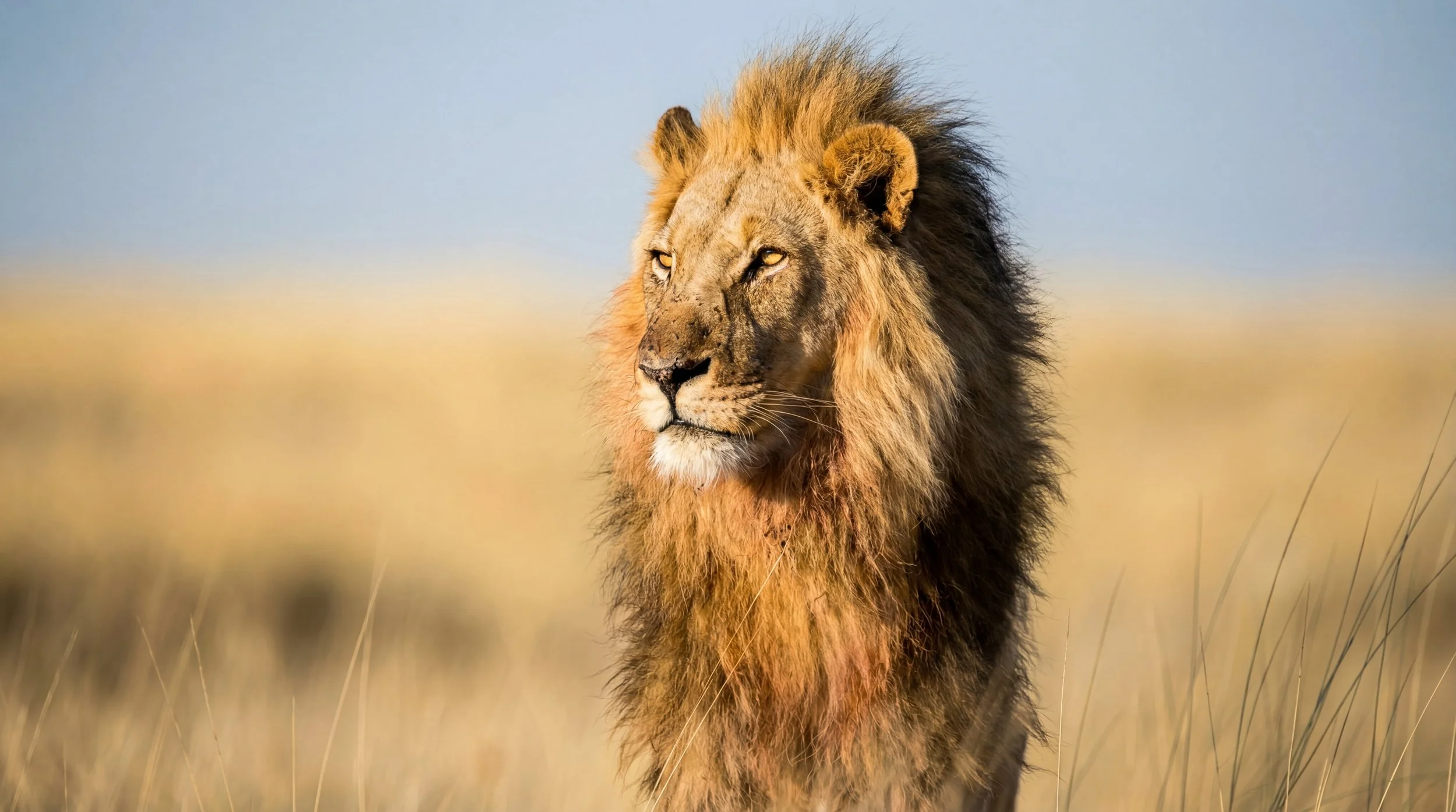
I’m delighted to welcome you on this 12-day photographic journey through Namibia’s extraordinary wildlife and landscapes. The tour combines iconic locations with a relaxed, photography-focused pace - from Etosha National Park’s wildlife-rich plains and the towering red dunes of Sossusvlei to the rugged scenery of Damaraland, the Atlantic coastline near Swakopmund and the haunting Skeleton Coast, each offering unique creative opportunities.
The itinerary below outlines our journey, with flexibility built in to respond to weather, light, and wildlife movements. I look forward to sharing this unforgettable experience with you.

Day 1 | 10 May
Windhoek pickup → Tsauchab River Camp (Night 1 at Tsauchab)
Morning pickup from Windhoek hotels; drive to Tsauchab River Camp
Check-in, welcome briefing, gear check
Evening landscape/night low-light session at camp (conditions permitting)
Days 2–3 | 11–12 May
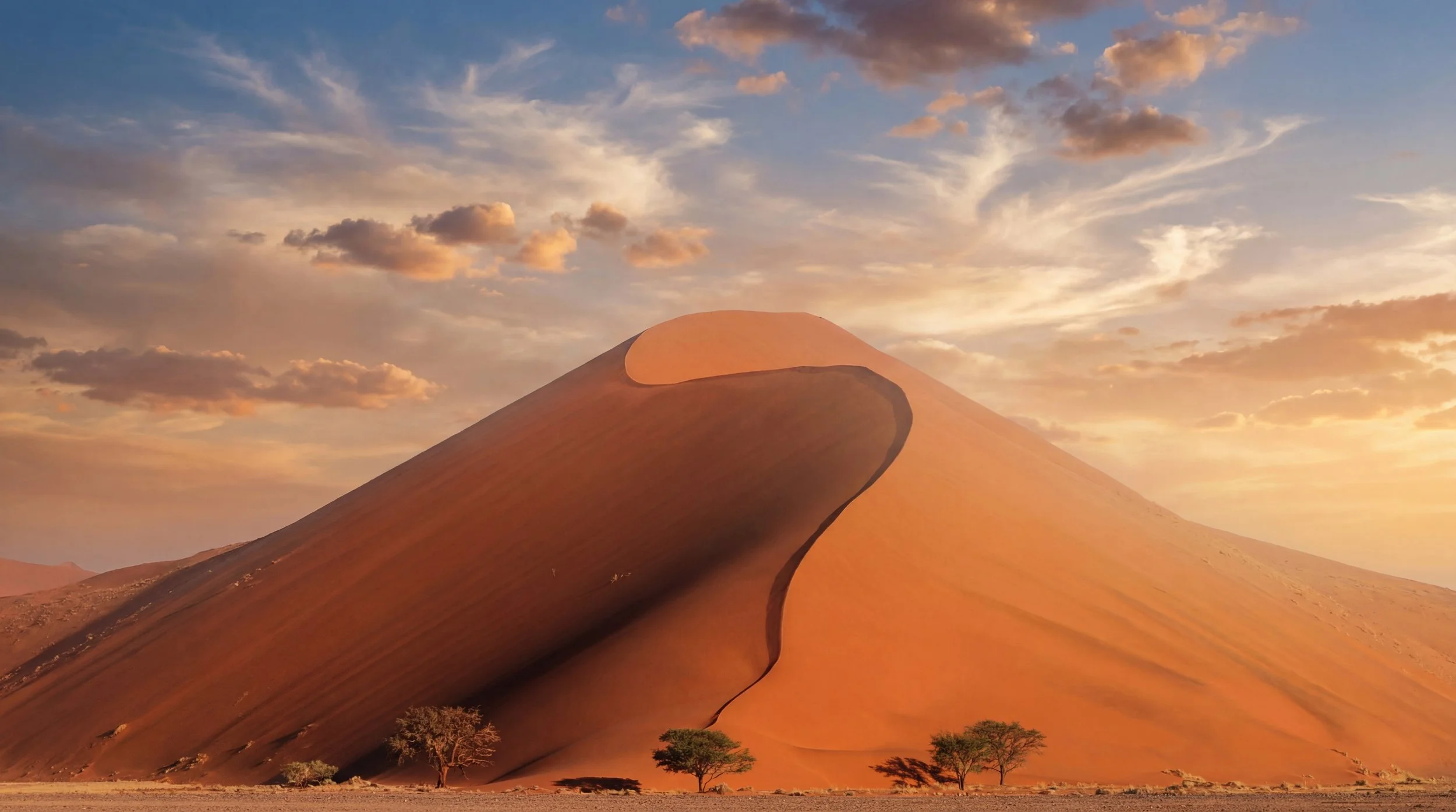
Tsauchab River Camp (Nights 2–3 at Tsauchab)
Day 2: Early Sossusvlei / Deadvlei sunrise shoot, midday rest/edit workshop, late-afternoon dune shoot
Day 3: Tsauchab river valley and pans photography, composition workshop, sunset shoot
Days 4–5 | 13–14 May
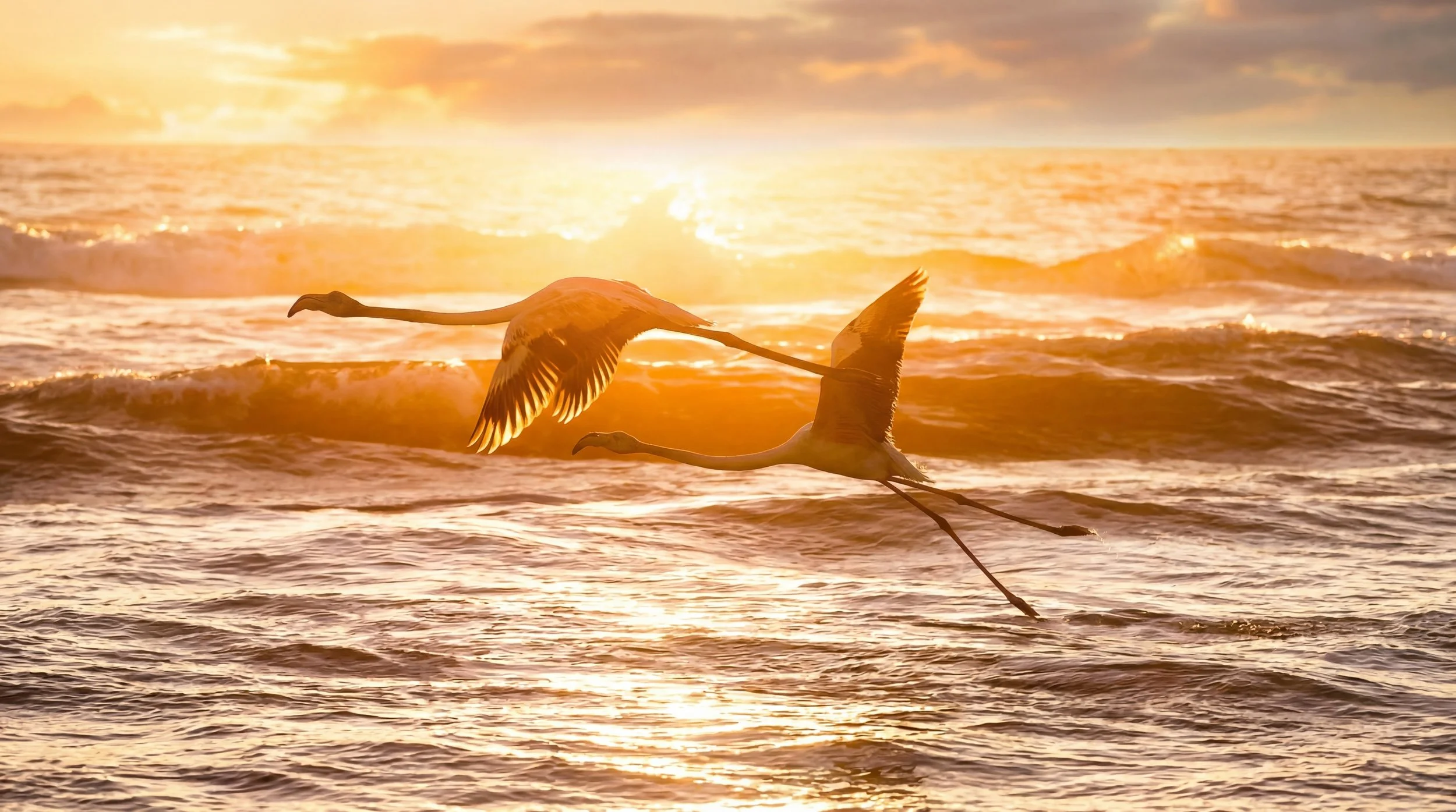
Transfer to Swakopmund / Swakopmund Sands (2 nights)
Day 4: Dawn shoot, scenic drive to Atlantic coast, arrival Swakopmund, coastal sunset session (Night 1 Swakopmund)
Day 5: Swakopmund Sands dune shoot, coastal wildlife/shoreline photography, optional night/long-exposure beach session (Night 2 Swakopmund)

Days 6–7 | 15–16 May
Travel north → Lodge Damaraland (2 nights)
Morning: Stops along the Skeleton Coast (including shipwreck points) en route north.
Travel north; morning stops along the Skeleton Coast (shipwreck points).
Continue to Lodge Damaraland.
Evening sunset/night shoot at Ondjamba - Overnight: Lodge Damaraland (Night 1)
Full day exploring Damaraland: rock formations, pans, wildlife/landscape shoots.
Evening panoramic sunset shoot - Overnight: Lodge Damaraland (Night 2)
Early morning shoot/walk around the lodge or nearby pans.
Breakfast and depart Damaraland / continue onward travel.

Days 8–9 | 17–18
Damaraland → Epacha Game Lodge & Spa (2 nights)
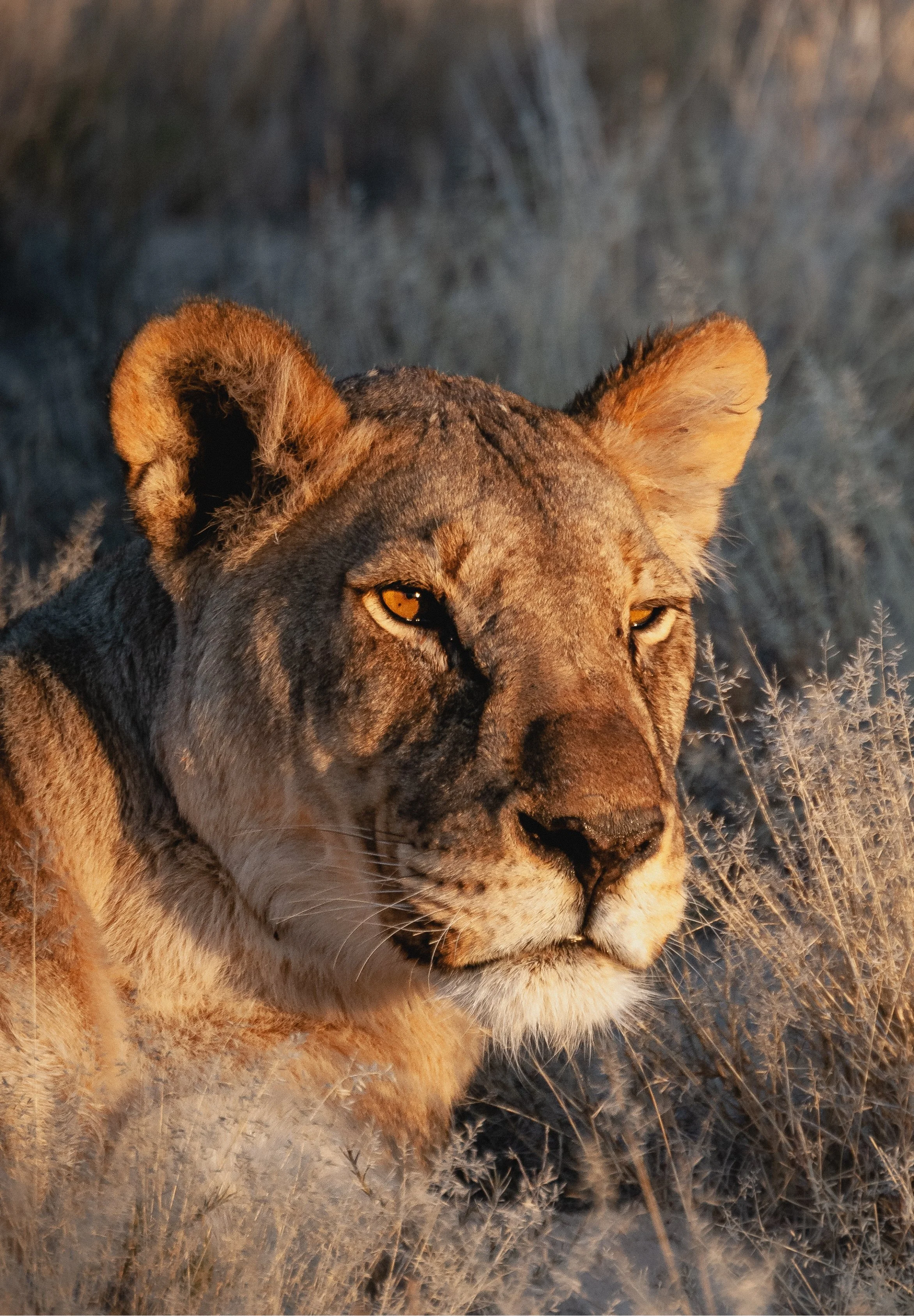
Day 8: Morning Damaraland desertscapes, transfer to Epacha, late-afternoon game drive and golden-hour photography (Night 1 Epacha)
Day 9: Early game drive for wildlife and birds, midday image review/conservation talk, sunset at waterholes (Night 2 Epacha)
Days 10–12 | 19–21 May
Transfer to Omaruru Game Lodge (3 nights)
Day 10: Scenic transfer to Omaruru, afternoon cultural/landscape shoot, sundown vistas (Night 1 Omaruru)
Day 11: Cultural visit, portrait opportunities, editing workshop and image review (Night 2 Omaruru)
Day 12: Morning relaxation or short local shoots, final pastoral/landscape sunset session (Night 3 Omaruru)

Day 13 | 22 May
Return to Windhoek → Airport drop-off
Morning drive to Windhoek with photo stops as time allows
Arrival at Hosea Kutako Airport for drop-off and onward flights
Farewells

Camera Gear Recommendations
This workshop is suitable for a wide range of camera systems. The focus is on technique, composition, and timing rather than specific brands.
Essential Gear
Mirrorless or DSLR camera (full-frame, APS-C, or Micro Four Thirds all suitable)
Wide-angle lens (approx. 16–35mm equivalent) for landscapes and blossom scenes
Mid-range zoom (approx. 24–70mm equivalent) for flexibility and street photography
Tripod for sunrise, sunset, blue hour, and night photography
Spare batteries (cold mornings drain batteries faster)
Plenty of memory cards
Recommended Extras
Telephoto lens (70–200mm equivalent) for compression and layering scenes
ND filter for long exposure work (crowds, water, motion)
Lens cloths and rain cover (spring showers are possible)
Comfortable camera backpack suitable for long days on foot
Optional
Remote shutter release
Lightweight travel tripod for city shooting
Smartphone for location scouting and quick reference shots
If you’re unsure about your gear, I’m happy to advise before the workshop to make sure you’re well prepared without overpacking.
Travel Tips for Namibia
A little preparation makes Namibia smoother and more enjoyable, especially for photography across deserts, coast and game areas.
Expect varied conditions and fewer crowds: May is a popular but not overcrowded month; expect quieter sites at dawn and dusk, the best times for photography and wildlife activity.
Cash and cards: Cards are widely accepted in towns, but carry some Namibian dollars (or USD) for remote areas, small vendors, park fees and tips.
Comfortable walking shoes: Expect uneven terrain, dunes, rocks and short hikes, sturdy, broken-in footwear is essential.
Dress in layers: Days can be warm and sunny, while mornings, evenings and coastal fog are cool. A windproof shell, hat and sun protection are recommended.
Protect your gear: Dust, sand and coastal spray are common. Use lens cloths, protective filters, rain/dust covers and sealed camera bags.
Tipping and local customs: Tipping is appreciated at lodges/drives; small local courtesies go a long way. Be polite and patient - service can be more relaxed in remote areas.
Suggested optional excursions estimated costs in USD per person.
Hot-air balloon over Sossusvlei (transfer + flight + brunch): $450–$600 per person
Scenic light aircraft flight (coastal / Damaraland / Skeleton Coast): $200–$600 per person, depending on route/duration
Helicopter scenic flight (short coastal or dunes hop): $300–$900 per person
Seal colony boat trip (Walvis Bay): $40–$120 per person
Spa treatment/massage at lodge spa: $40–$150 per treatment
Conservation/behind-the-scenes experience (ranger for a day, anti-poaching brief): $50–$250 depending on program
Disclaimer
This workshop is subject to change due to factors beyond our control, including but not limited to weather conditions, cherry blossom bloom timing, access restrictions, transport delays, accommodation availability, and local regulations. While every effort will be made to follow the outlined itinerary, adjustments to locations, schedules, and activities may be necessary to ensure the best possible experience and safety of participants.
Cherry blossom bloom dates vary each year and cannot be guaranteed. Photography opportunities are dependent on natural conditions, and specific scenes, weather patterns, or light conditions cannot be promised.
Participants are responsible for arranging their own flights, travel insurance, visas, personal equipment, and any additional expenses not explicitly listed as included. Comprehensive travel insurance is strongly recommended and should cover medical expenses, trip cancellation, delays, and loss or damage to equipment.
All participants join the workshop at their own risk. By attending, you acknowledge that photography workshops may involve early starts, extended walking, uneven terrain, and travel in urban and rural environments. Timothy Poulton and any associated partners or suppliers accept no responsibility for injury, loss, damage, or theft of personal property during the workshop.
It is the participant’s responsibility to ensure they are physically capable of participating and that their camera equipment is insured and suitable for the conditions.
By booking this workshop, you acknowledge that you have read, understood, and agreed to this disclaimer.