Ten Years at Lake Pehoé: A Photographer’s Guide to Patagonia’s Turquoise Heart
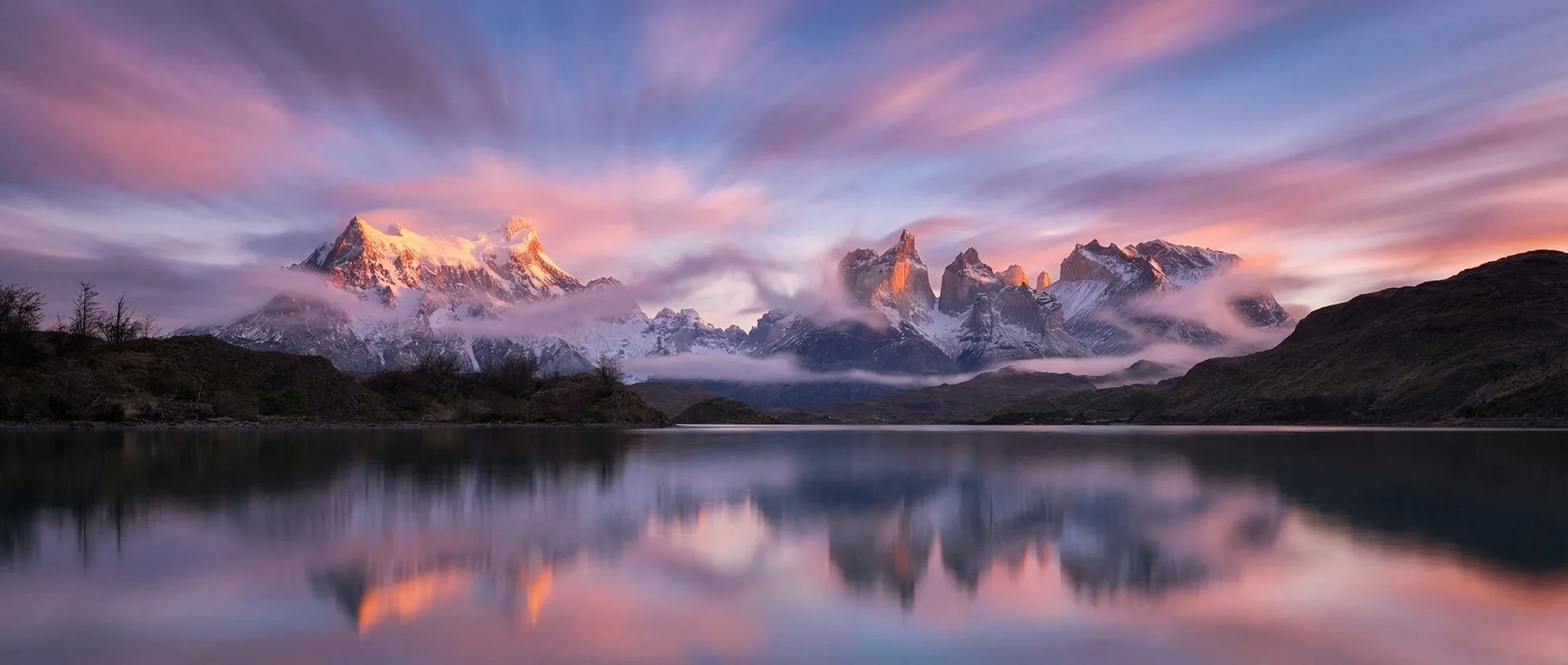
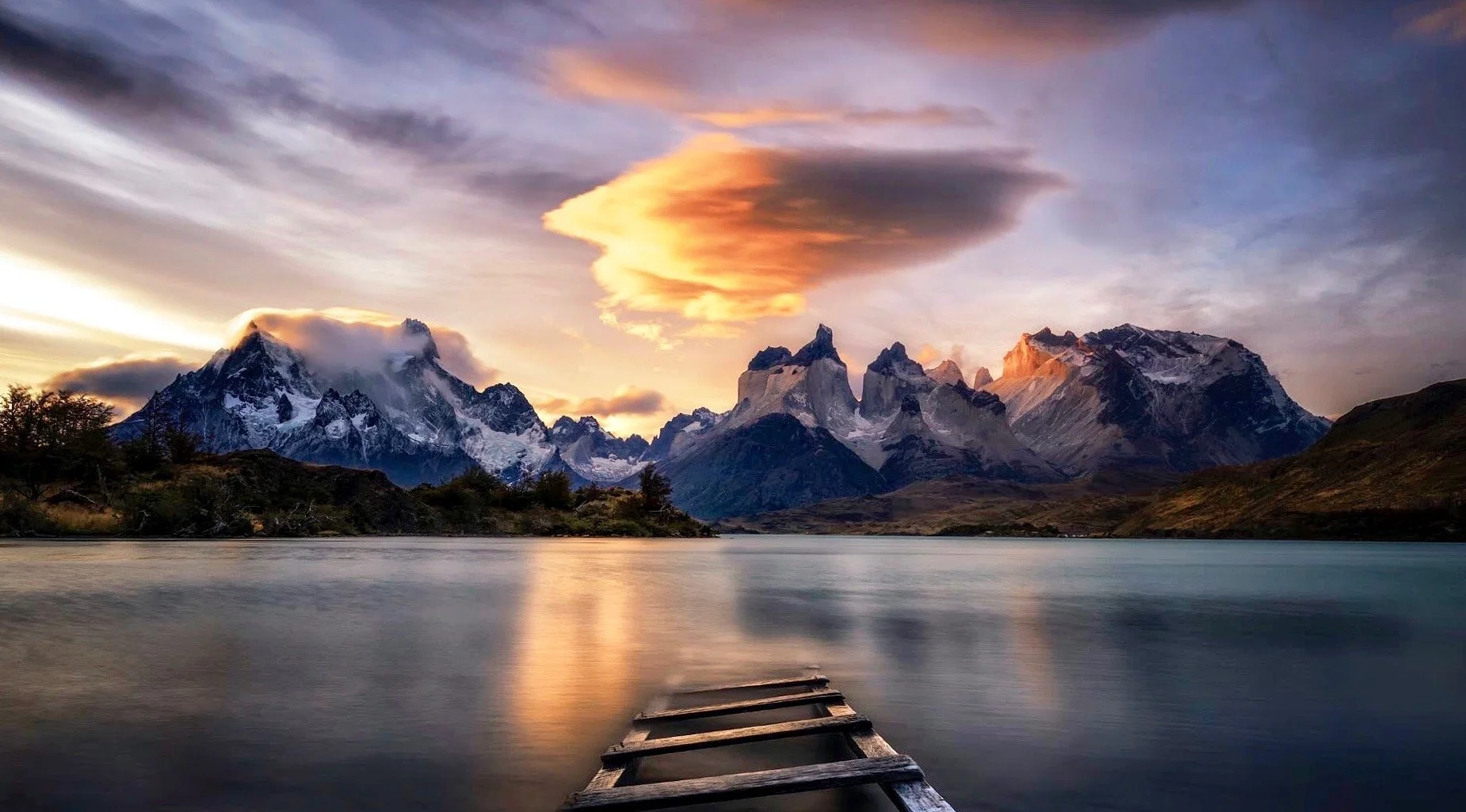
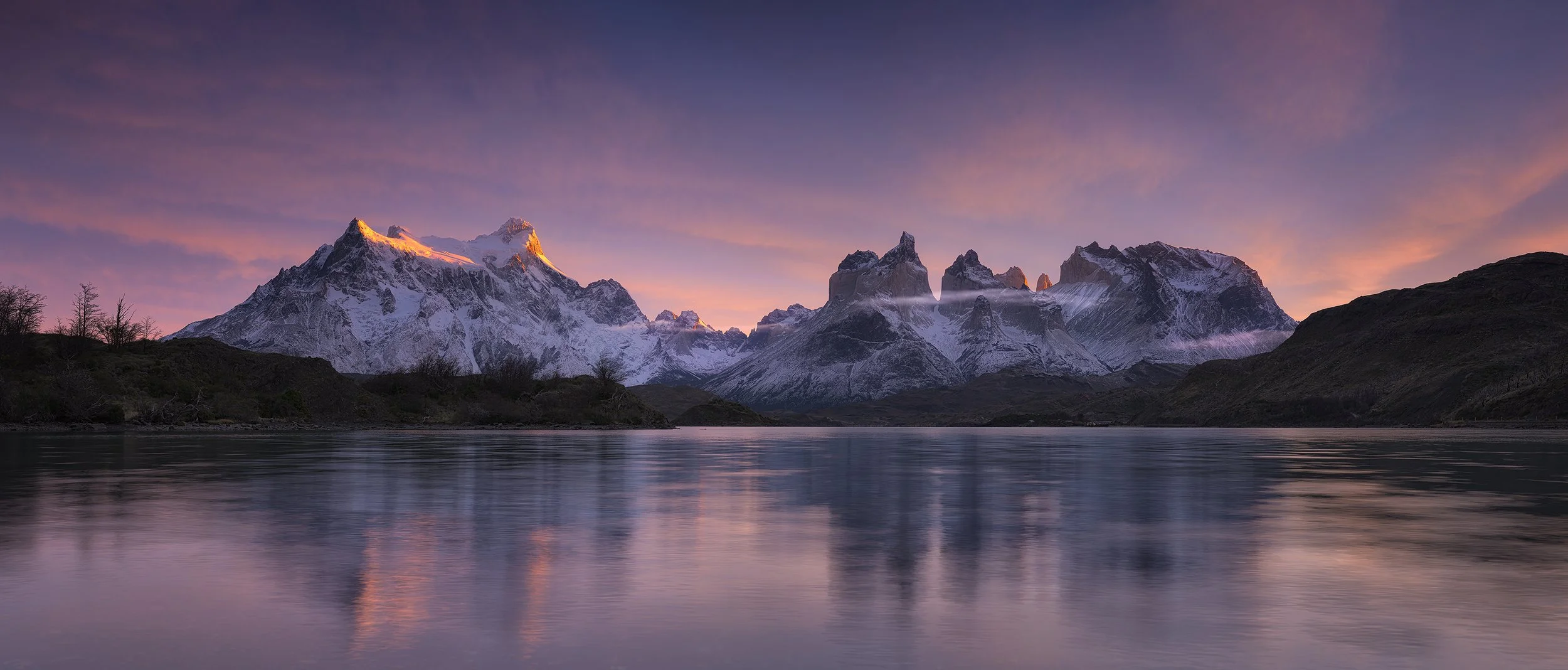
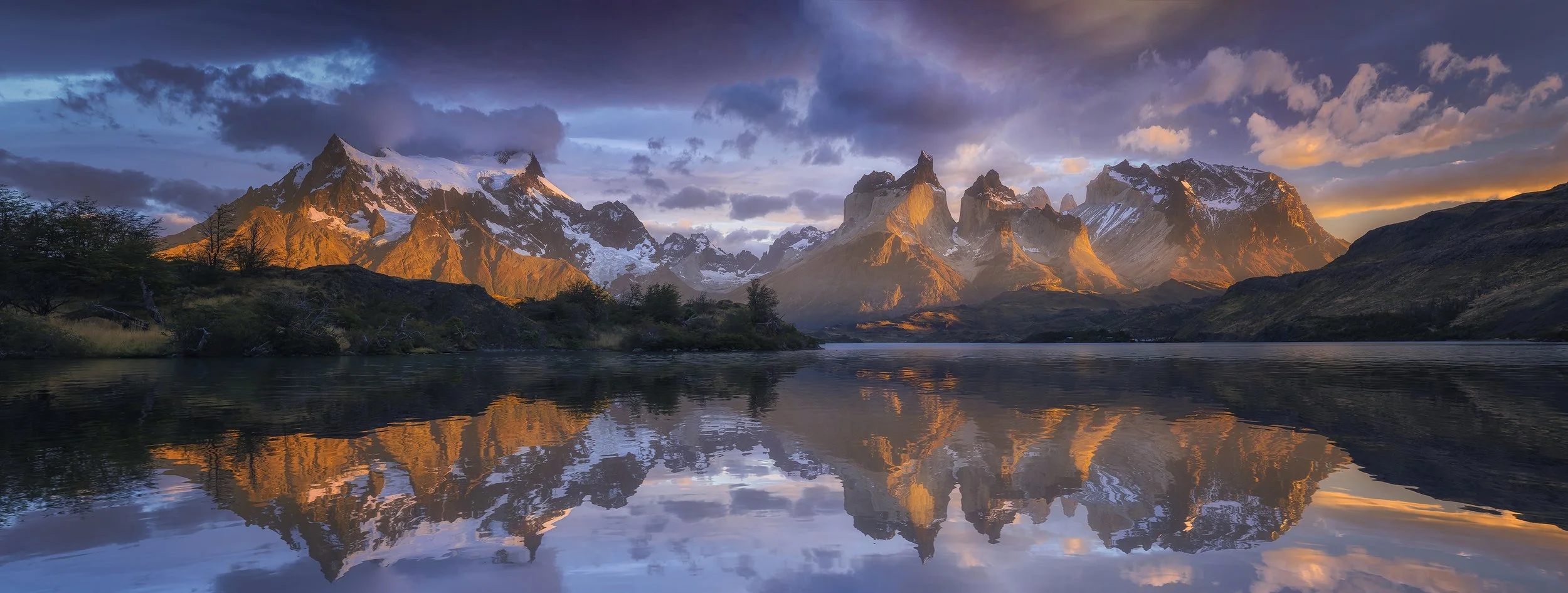
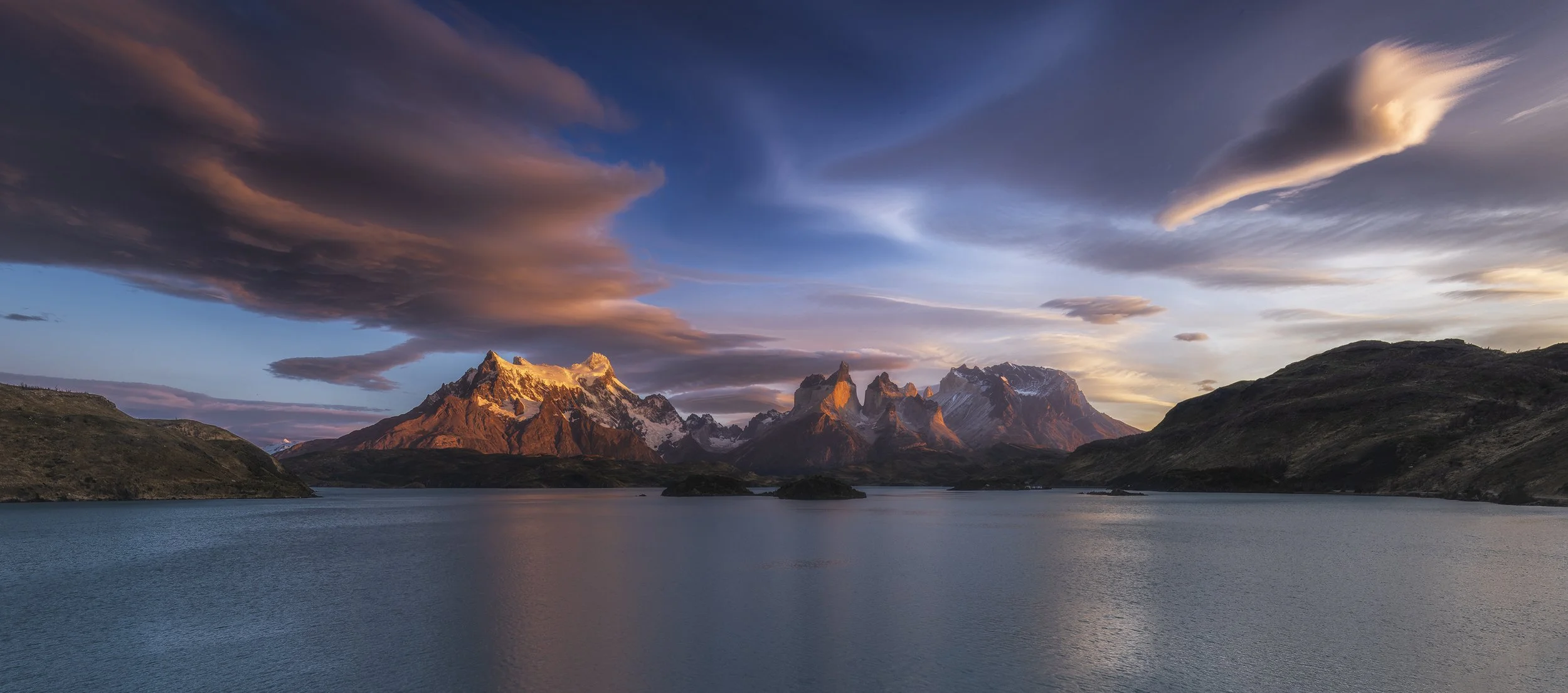
Lake Pehoé has been one of my long-term obsessions in Patagonia. Over the years, I’ve watched its winds reshape the water’s surface, its weather shift from serene pastel mornings to violent mountain storms, and its iconic Torres del Paine skyline reveal itself in endlessly different moods. This guide brings together what I’ve learned from photographing Lake Pehoé across seasons and changing conditions - practical techniques, creative ideas, environmental observations, and how to make the most of one of Patagonia’s most photogenic locations.
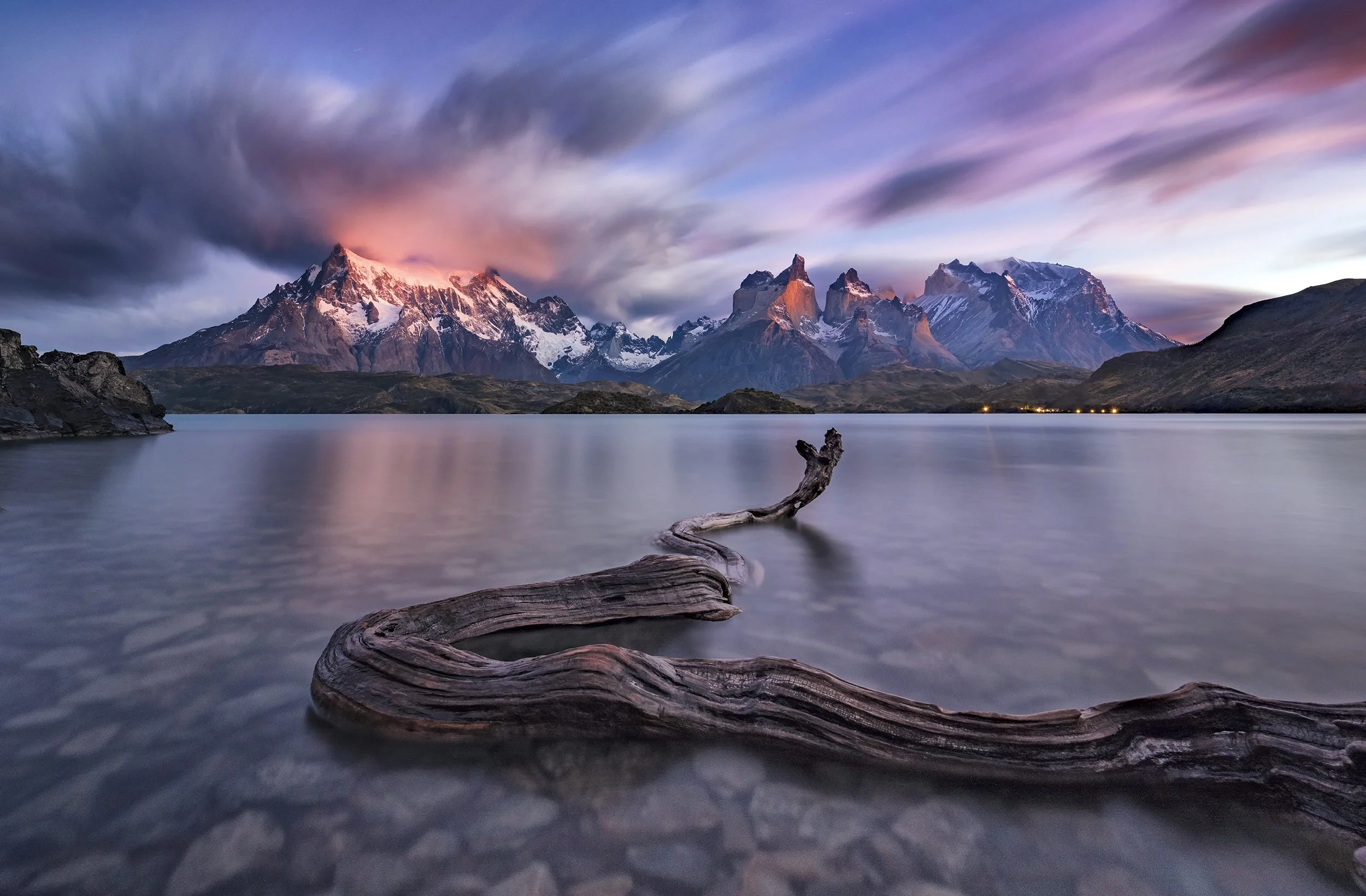
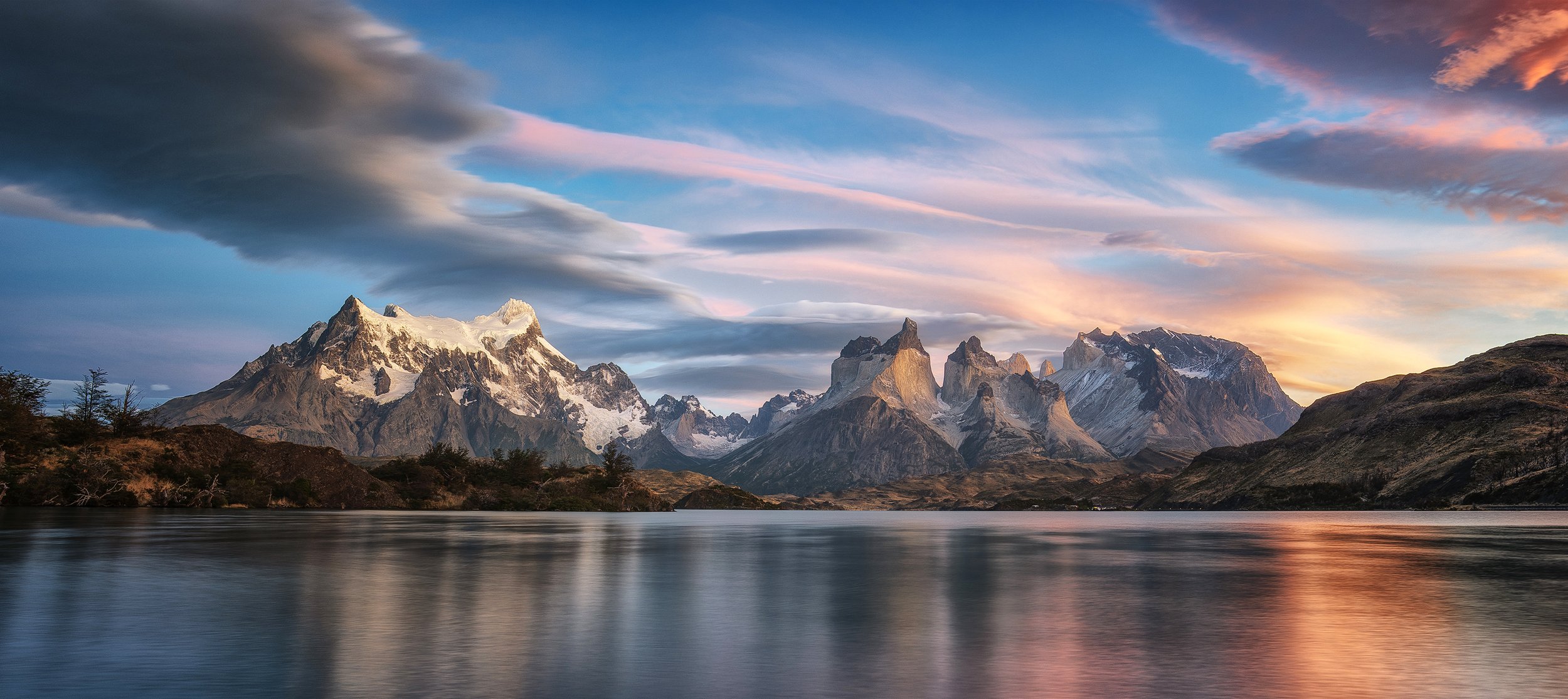
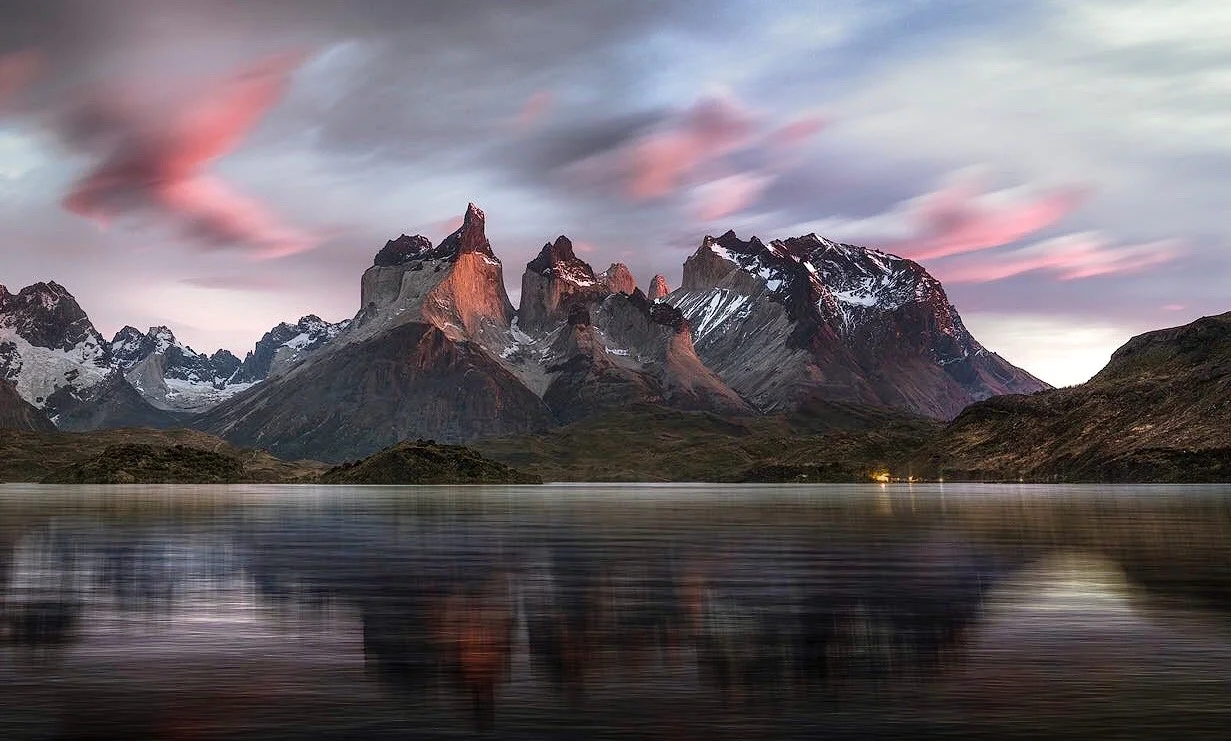
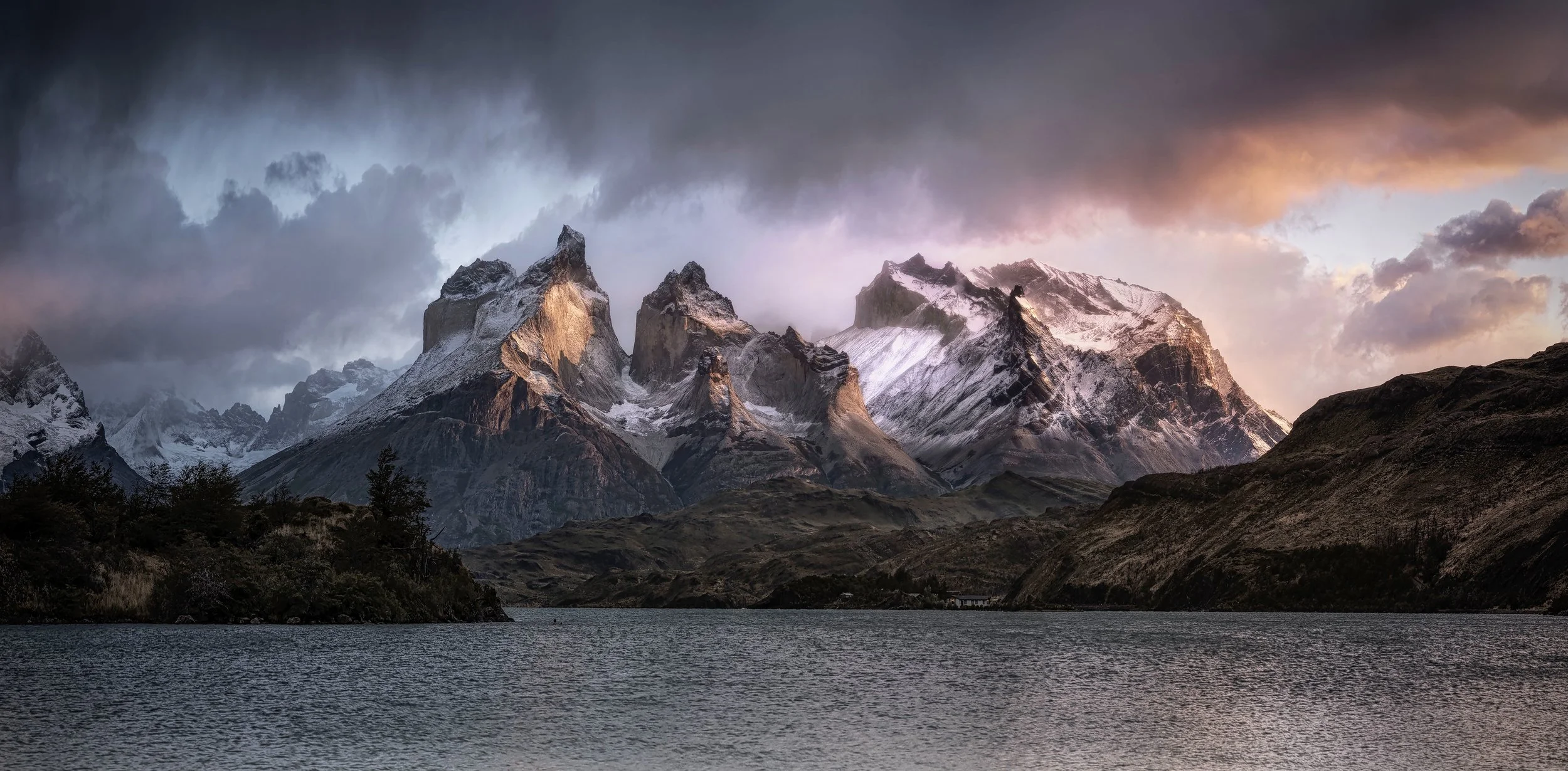
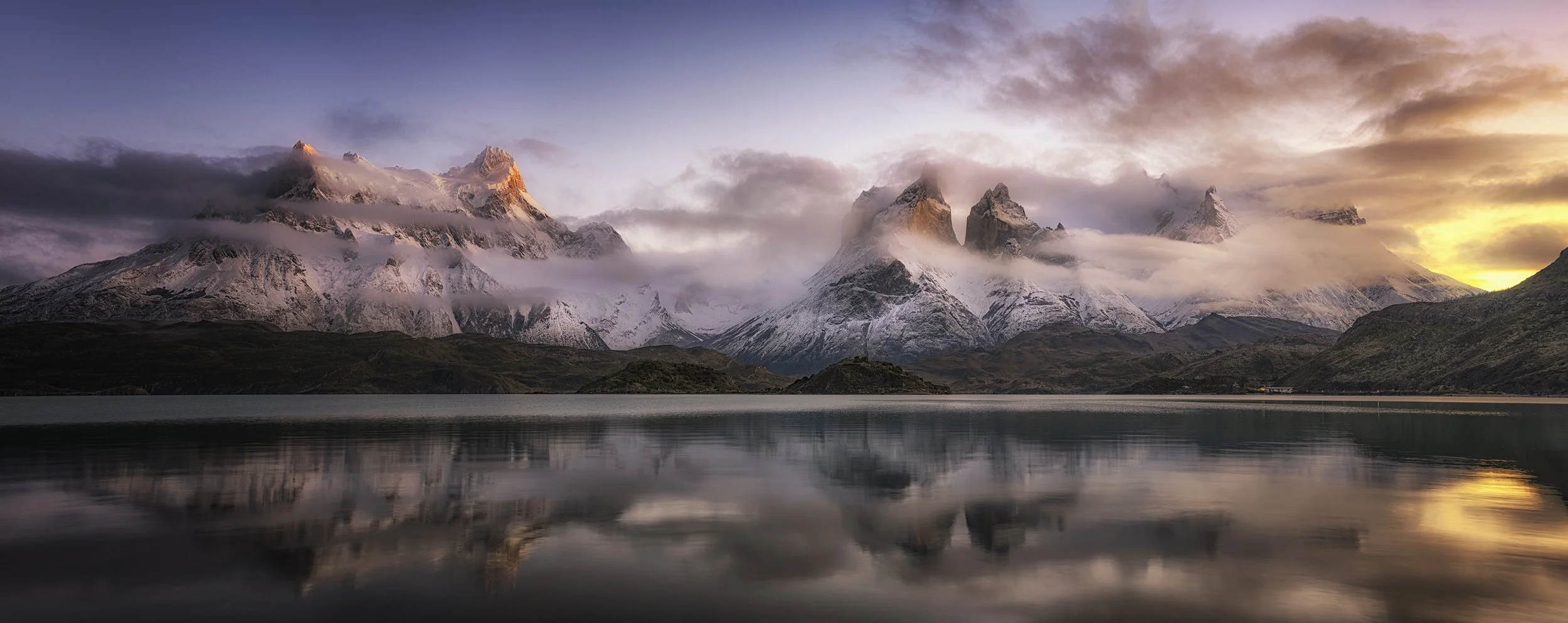
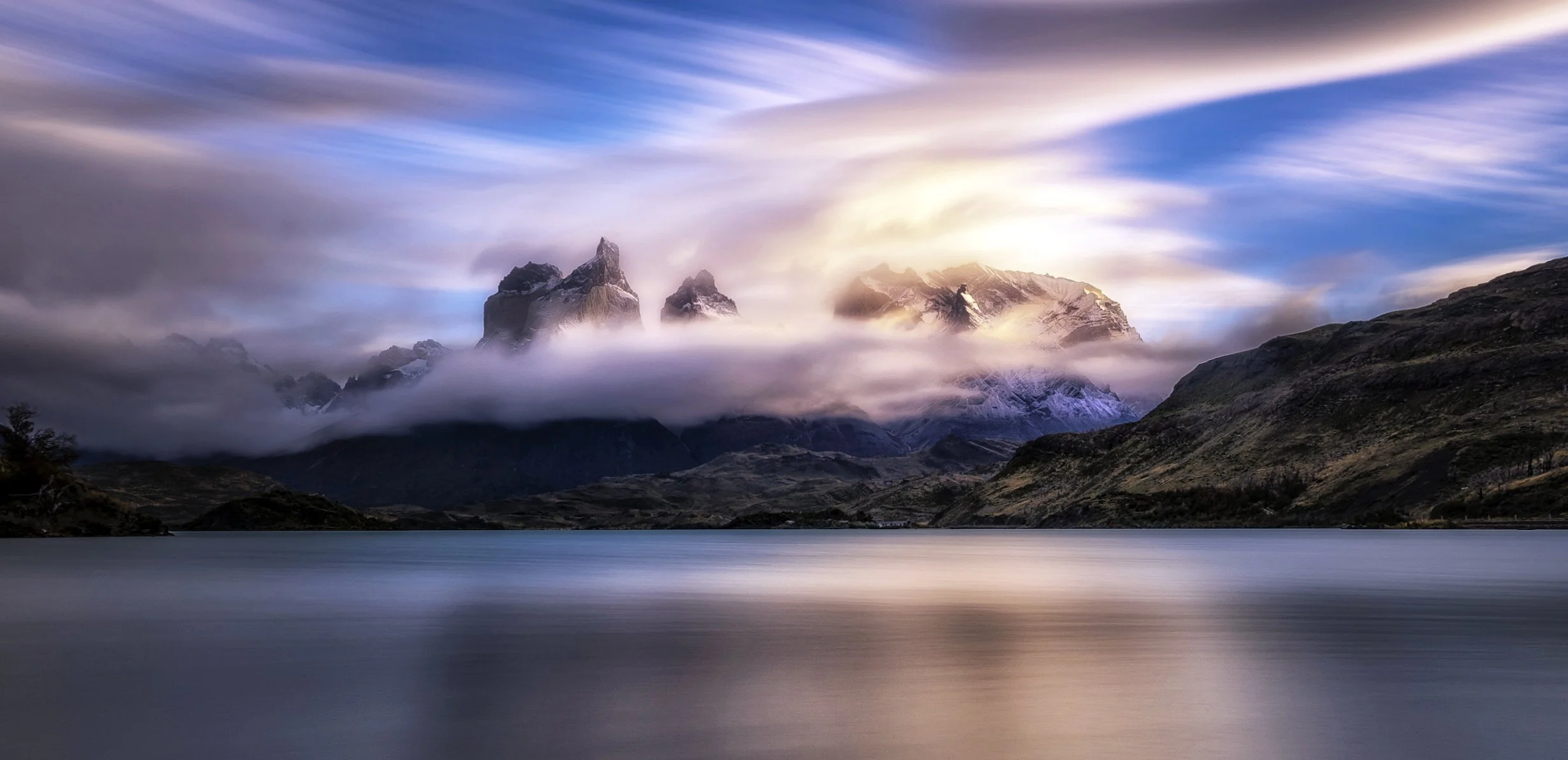
Why Lake Pehoé?
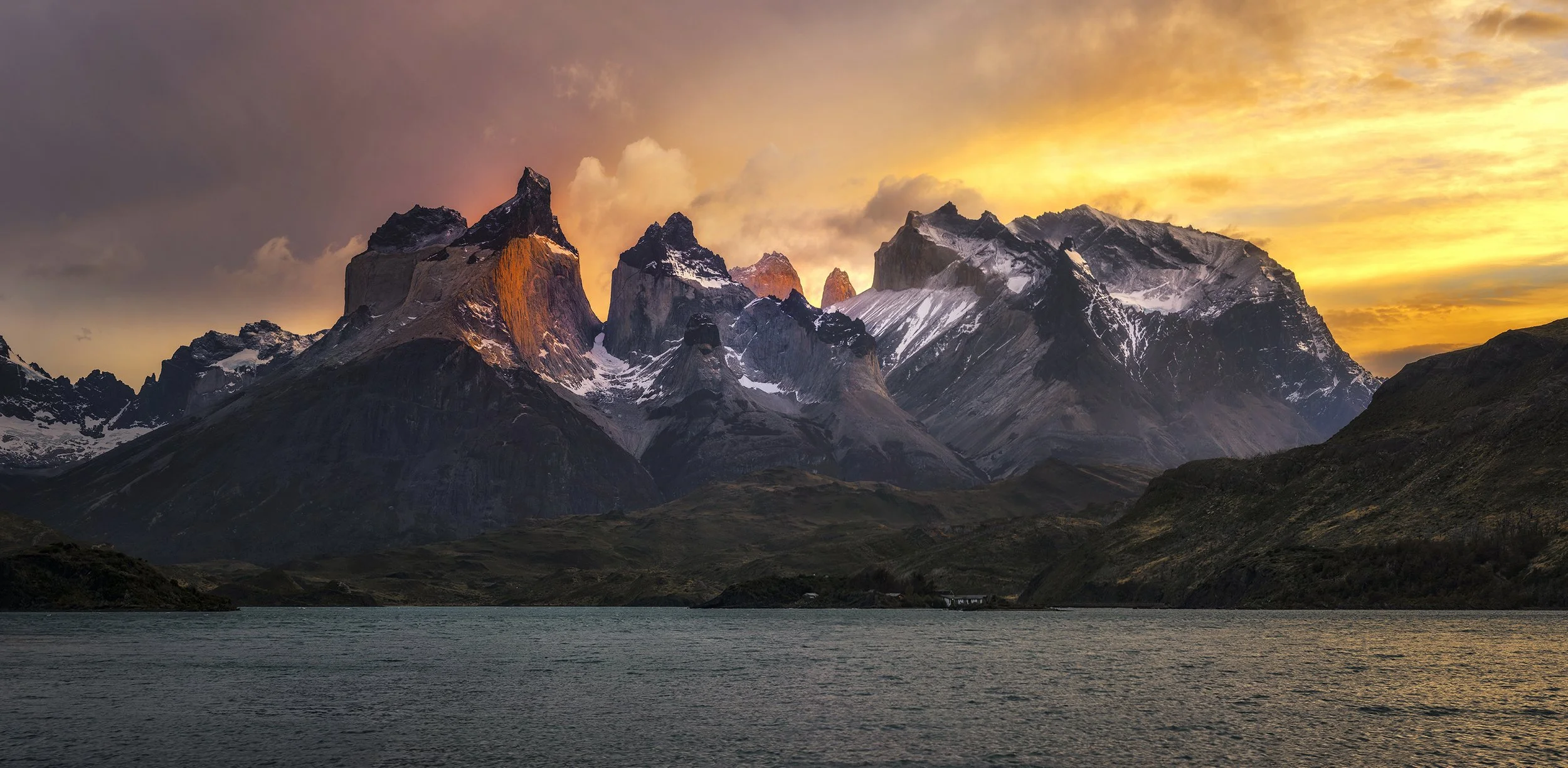
Iconic skyline: The Cuernos del Paine and Paine Grande form one of the most recognisable mountain silhouettes on Earth.
Turquoise water: Glacial sediment gives the lake its luminous blue-green colour - a unique compositional anchor.
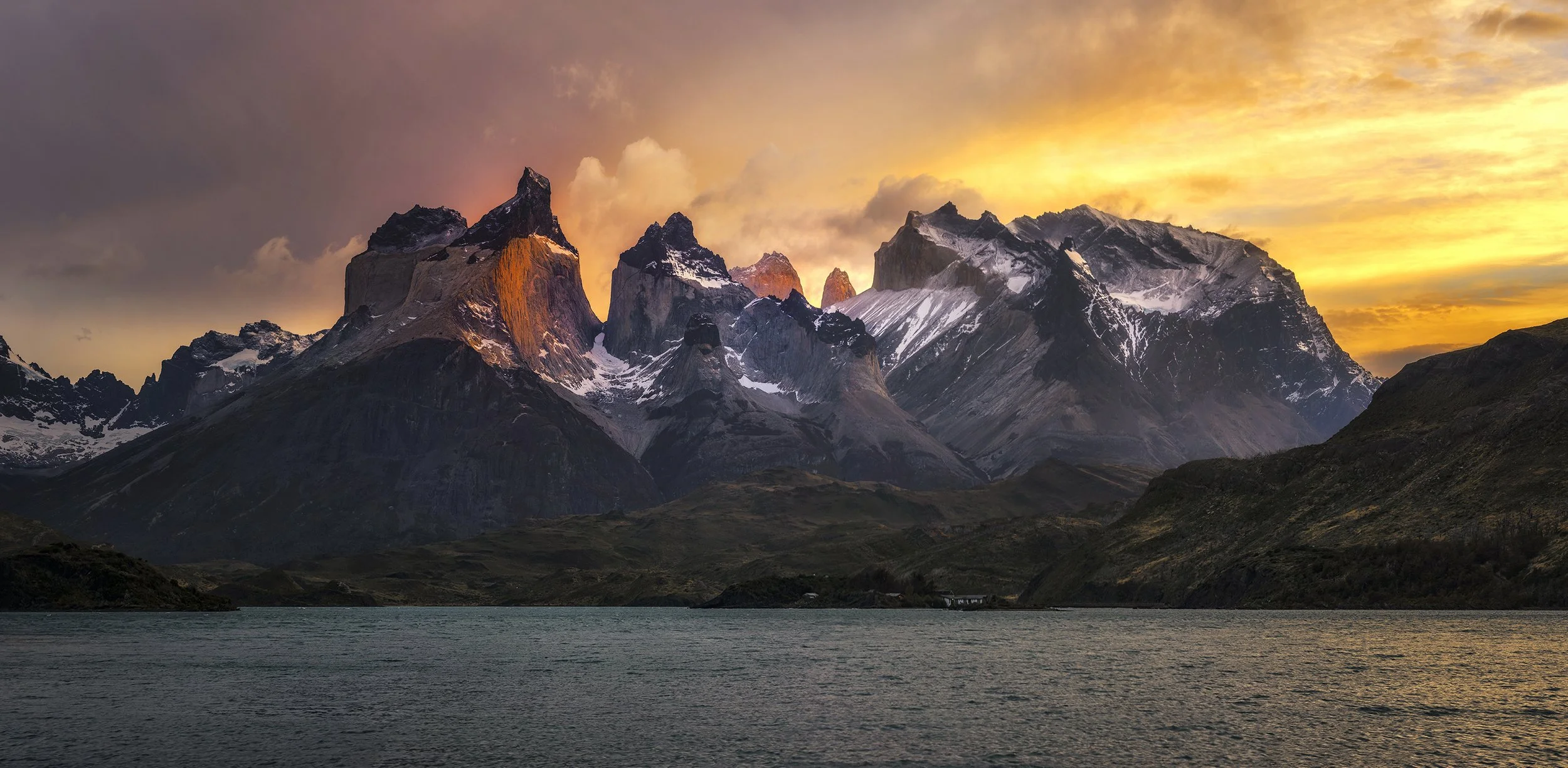
Epic weather: Few places deliver such fast-changing skies and dramatic light.
Accessibility: Unlike many Patagonian locations, you can photograph world-class scenery just steps from the road.
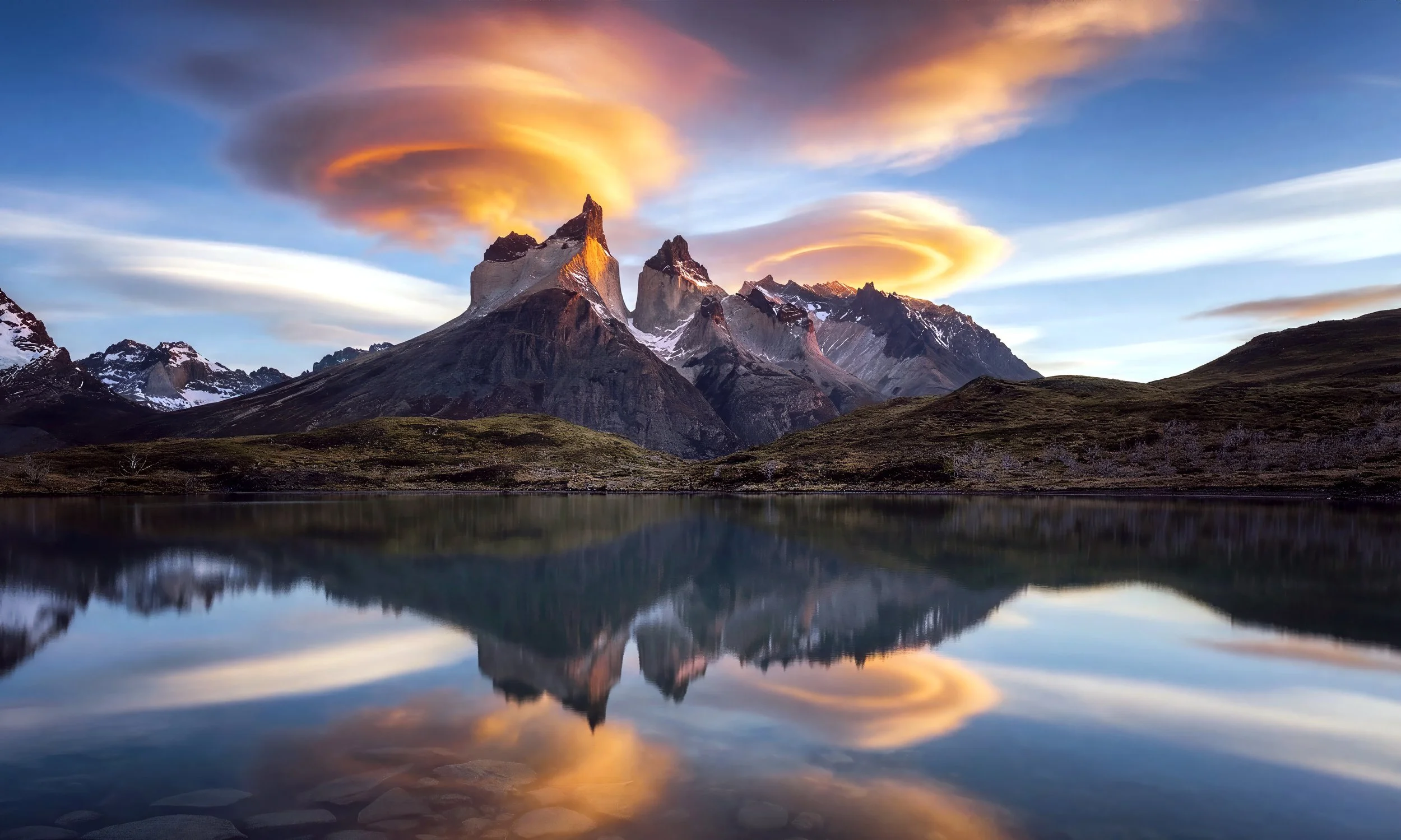
Wind and motion: Constant wind creates texture and drama in water and clouds, perfect for long exposures.
How the Place Has Changed - and Stayed the Same
Glacial colour variation: Over the years, the turquoise hue shifts subtly depending on glacial melt, rainfall, and season. Some years the lake glows neon; others it leans softer pastel. Photograph it whenever you can; the colour is never guaranteed.
Weather unpredictability: Patagonia’s reputation holds. I’ve seen full storms arrive, peak, and disappear within an hour. The unpredictability is frustrating and magical in equal measure.
Growing popularity: Lake Pehoé is far more visited than it was a decade ago. Sunrise still offers solitude, but sunset viewpoints now attract tripods from around the world.
Infrastructure improvements: Road access and viewpoints have improved, making it easier and safer to reach prime compositions.
Wildness intact: Despite increased visitation, the feeling of isolation and scale remains overwhelming.
Seasonal Considerations
Summer (Dec–Feb)
Long days and short nights. Expect late sunsets and strong winds. Clouds often build in the afternoon, making sunset dramatic but unpredictable.Autumn (Mar–May)
Possibly my favourite season. Cooler air brings calmer mornings, fewer visitors, and beautiful golden tones in the grasslands.Winter (Jun–Aug)
Snow transforms the landscape into a minimalist masterpiece. Access can be difficult, but conditions can be spectacular.Spring (Sep–Nov)
Wild weather, strong winds, and fast-moving cloud systems are perfect for dramatic photography.
Gear and Setup
Camera: Full-frame mirrorless or DSLR for dynamic range in high-contrast mountain scenes.
Lenses:
16–35mm for classic wide panoramas.
24–70mm for balanced mountain compositions.
70–200mm to isolate peaks and light.
Tripod: Absolutely essential. Patagonia winds demand a sturdy setup.
Filters:
3-stop ND for subtle water smoothing.
6–10 stop ND for dramatic long exposures.
Polariser to control glare and deepen the turquoise water.
Weather protection: Rain covers, cloths, and lens hoods are mandatory.
Clothing: Windproof layers - always.
Compositional Tips
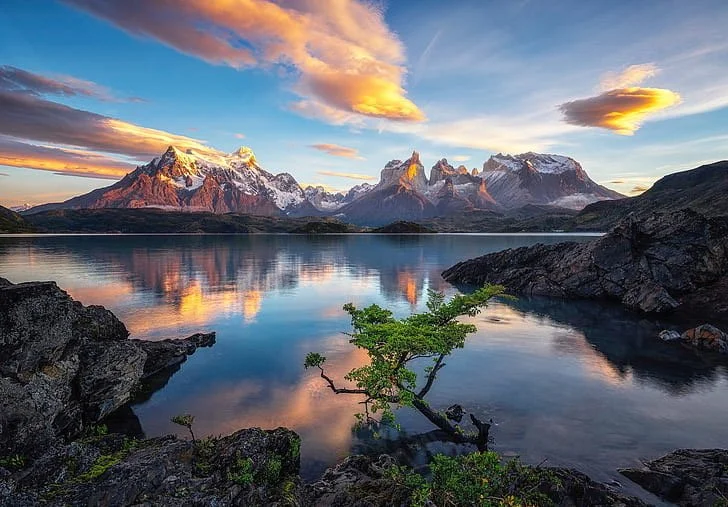
Use foreground rocks: The shoreline offers stones and textures that create depth.
Embrace the wind: Choppy water can become beautiful motion with long exposures.
Panoramas shine here: The mountain range begs for wide panoramic framing.
Watch cloud direction: Clouds often sweep across the mountains, adding motion and drama.
Scale matters: Include a road, car, or person when possible to show the enormity of the landscape.
Exposure and Technical Settings
Long exposures:
1–3 seconds: subtle water motion.
20–60 seconds: silky water and streaked clouds.
Aperture: f/8–f/11 for sharp landscapes.
ISO: Keep low (100–200).
Bracketing: Essential when mountains sit in shadow and skies are bright.
Focus stacking: Ideal for foreground rock to distant peak sharpness.
Shoot RAW: Patagonia’s subtle colour gradients need flexibility in post.
Creative Approaches
Storm chasing: The most dramatic light often arrives after bad weather.
Black and white: Works beautifully with snow, clouds, and harsh mountain light.
Minimalism: Calm mornings allow simple, clean compositions.
Panoramic photography: Lake Pehoé is a panoramic dream, sweeping horizons and layered mountains reward multi-frame stitches.
Blue hour: The lake glows beautifully after sunset when wind drops and colours cool.
Dealing with Challenges
Wind: Anchor your tripod and hang your bag from it.
Rapid weather: Always be ready to shoot light changes fast.
Cold: Batteries drain quickly; carry spares close to your body.
Crowds: Shoot sunrise or explore lesser-known shoreline spots.
Ethics and Safety
Stay on marked paths and avoid fragile vegetation.
Respect wildlife and maintain distance.
Prepare for sudden weather changes. Patagonia is unforgiving.
Carry water, snacks, and warm layers.
What to Expect on Repeat Visits
Endless variation in light and weather.
Subtle seasonal colour changes.
New compositions are revealed over time.
A growing personal connection to the landscape.
Sample Shot List for a Day
Pre-dawn: Arrive early for calm reflections and soft light.
Sunrise: Capture warm light hitting the Cuernos del Paine.
Midday: Telephoto detail shots and cloud studies.
Golden hour: Wide panoramas with glowing mountains.
Sunset: Long exposures as winds drop.
Blue hour: Cool tones and glowing water.
Night: Stars over the Torres del Paine skyline.
Post-Processing Suggestions
Preserve highlights in snow and clouds.
Enhance turquoise tones, gently avoid oversaturation.
Add contrast carefully to emphasise mountain texture.
Selectively sharpen peaks and foreground.
Use subtle colour grading to maintain Patagonia’s natural mood.
Final Thoughts
Lake Pehoé rewards patience more than perfection. Some visits bring storms, others bring serenity, and occasionally you’ll experience both in the same hour. The magic lies in showing up, watching the sky, and waiting for the moment when the mountains reveal themselves in perfect light.
If you plan a trip, bring windproof clothing, patience, and a willingness to embrace unpredictable conditions. And if you capture Lake Pehoé, I’d love to see what you create.